Understanding Pump Types and Their Applications
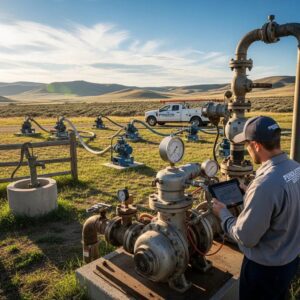
Different types of pumps serve various functions across multiple industries, making it essential to understand their specific applications. From submersible pumps used in residential well systems to centrifugal pumps commonly found in industrial settings, each pump type has unique characteristics tailored to its intended use.
For instance, submersible pumps are designed to operate underwater, making them ideal for well water extraction, while diaphragm pumps are perfect for transferring viscous fluids in agricultural settings. Knowing the right pump for your needs can significantly enhance operational efficiency and reliability.
Common Issues with Pumps and How to Troubleshoot
Pumps, like any mechanical device, can experience a range of issues that may affect their performance. Common problems include leaks, unusual noises, and decreased flow rates. Understanding these issues can help users troubleshoot effectively before seeking professional repair services.
For example, a pump that is making a loud grinding noise may indicate a worn-out bearing, while a decrease in flow rate could suggest a clog or blockage in the system. Regular maintenance and timely troubleshooting can prevent minor issues from escalating into costly repairs.
The Importance of Regular Pump Maintenance
Regular maintenance is crucial for ensuring the longevity and efficiency of pumps. Scheduled inspections and servicing can help identify potential issues before they become significant problems, thereby minimizing downtime and repair costs.
For instance, routine checks of seals and bearings can prevent leaks and mechanical failures. Additionally, maintaining proper fluid levels and cleanliness can enhance pump performance and reliability, ultimately leading to a more efficient operation in both residential and industrial applications.
Innovations in Pump Technology
The pump industry is continually evolving, with new technologies emerging to improve efficiency and functionality. Innovations such as smart pumps equipped with IoT capabilities allow for real-time monitoring and diagnostics, enhancing operational control and predictive maintenance.
For example, these advanced pumps can alert users to potential issues before they occur, reducing the risk of unexpected failures. Moreover, energy-efficient designs and materials are being developed to lower operational costs and environmental impact, making modern pumps more sustainable than ever.
Understanding Pump Types and Their Applications
Different types of pumps serve various functions across multiple industries, making it essential to understand their specific applications. From submersible pumps used in residential well systems to centrifugal pumps commonly found in industrial settings, each pump type has unique characteristics tailored to its intended use.
For instance, submersible pumps are designed to operate underwater, making them ideal for well water extraction, while diaphragm pumps are perfect for transferring viscous fluids in agricultural settings. Knowing the right pump for your needs can significantly enhance operational efficiency and reliability.
Common Issues with Pumps and How to Troubleshoot
Pumps, like any mechanical device, can experience a range of issues that may affect their performance. Common problems include leaks, unusual noises, and decreased flow rates. Understanding these issues can help users troubleshoot effectively before seeking professional repair services.
For example, a pump that is making a loud grinding noise may indicate a worn-out bearing, while a decrease in flow rate could suggest a clog or blockage in the system. Regular maintenance and timely troubleshooting can prevent minor issues from escalating into costly repairs.
The Importance of Regular Pump Maintenance
Regular maintenance is crucial for ensuring the longevity and efficiency of pumps. Scheduled inspections and servicing can help identify potential issues before they become significant problems, thereby minimizing downtime and repair costs.
For instance, routine checks of seals and bearings can prevent leaks and mechanical failures. Additionally, maintaining proper fluid levels and cleanliness can enhance pump performance and reliability, ultimately leading to a more efficient operation in both residential and industrial applications.
Innovations in Pump Technology
The pump industry is continually evolving, with new technologies emerging to improve efficiency and functionality. Innovations such as smart pumps equipped with IoT capabilities allow for real-time monitoring and diagnostics, enhancing operational control and predictive maintenance.
For example, these advanced pumps can alert users to potential issues before they occur, reducing the risk of unexpected failures. Moreover, energy-efficient designs and materials are being developed to lower operational costs and environmental impact, making modern pumps more sustainable than ever.